
Ann & Dan’s Excellent Adventures
Printing the Image - 2018-06-24 - South West Images
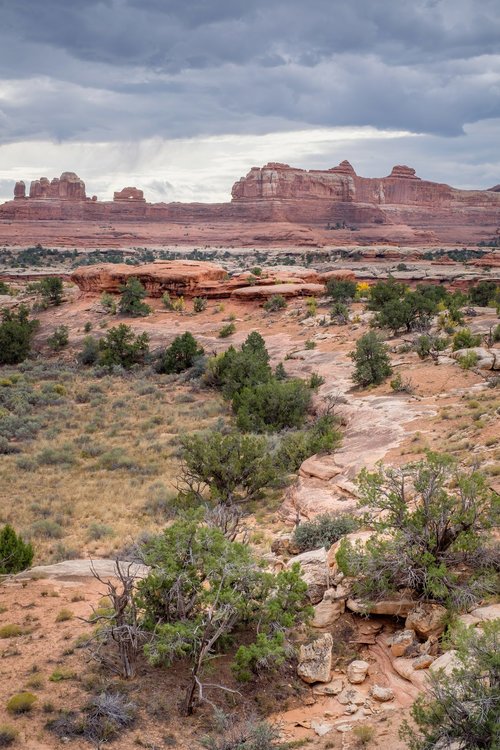
It’s been awhile since we’ve printed images, almost too long for both printer (though fortunately no printer head clogging issues) and us. Since our plan is to head back to southern Utah in the fall, I decided to dig into my archives and find a few prints from our previous trips there. Ann printed an image from Bryce Canyon, in black and white, and it glows. We’re planning a printing session soon to try hers again, but larger! For now, you’re stuck with my images.
Why Study the Masters? #3
Today’s answer: To realize how you were photographing.
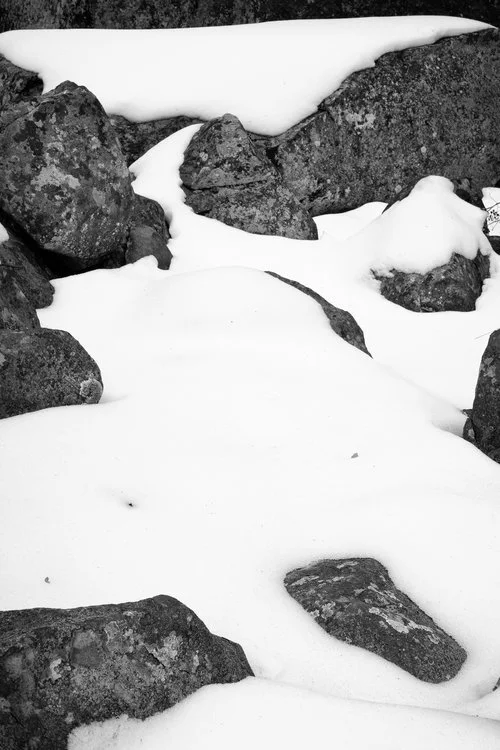
That answer may sound a bit odd, but bear with me. During our trip earlier this year to Yosemite, Ann and I spent the latter part of our last morning along the trail to Mirror Lake (though we barely made it down the trail). It was where I took my spill (the damage to body and camera body still lingers on) and where I thought I was in photographic heaven - until I looked at my images at home. I was resoundingly disappointed. That was until this morning when, while studying Quiet Light, one of John Sexton’s images made me realized that I had actually been photographing in black and white, not color, that morning. So I set the book down and headed over to my computer.
Shooting the Shooter - June Adventure
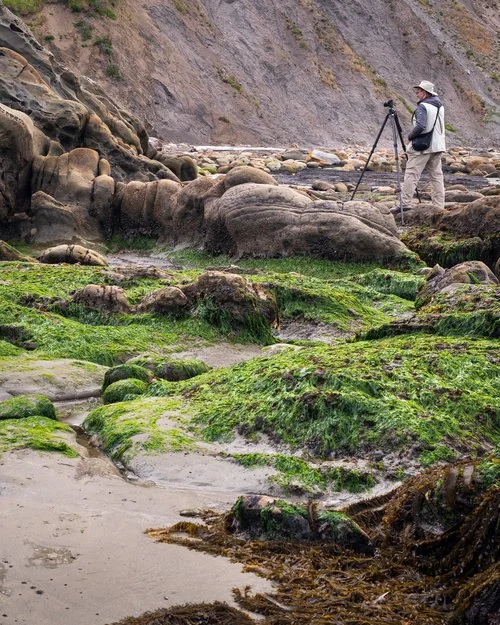
At the risk of spilling the beans about our June adventure, I decided to post a shooting-the-shooter segment from the story because each of the images I made at the time Ann photographed me carry on the theme about compositions that I discussed in a recent post.

Lessons in Black & White . . . and in Color
I’m definitely getting my money’s worth studying John Sexton this month. As I’ve mentioned, he’s a master of black and white photography. Perhaps it is more apt to say that he is a master of the millions of shades of grey between black and white. So it should come as no surprise that as I was studying one of his images and his use of subtle tonal controls, I thought of a particular image of mine that I had never been satisfied with, and I knew what direction I had to take it to improve it.

Thoughts on Compositions - Still Life
Ann and I went on our June adventure last weekend. We had an incredible couple of mornings photographing and, as happens when that happens, it’s taking me some time to process the images and get the blog story together about the trip. In the meantime, I’ll tease you a bit by drawing from some of the images I made and discussing an aspect of potential “compositions” that I hadn’t really thought about much before, but came front and center in my thinking about some of the images I made. That’s the notion of doing a still life.
Printing the Image - 2018.06.19 - Liar's Edition
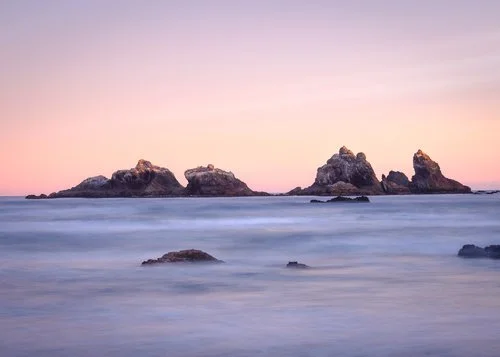
Call me a liar. I could try to argue that I, in fact, did not lie because I always told the truth, just not the whole truth. But then Ann would probably just roll her eyes like she does when she’s about to tell me to stop acting like a lawyer. Even worse, she might start thinking that I’m part of the press corps, unwilling to call a lie a lie, or a liar a liar. Yikes! So call me a liar.
Find a Stage
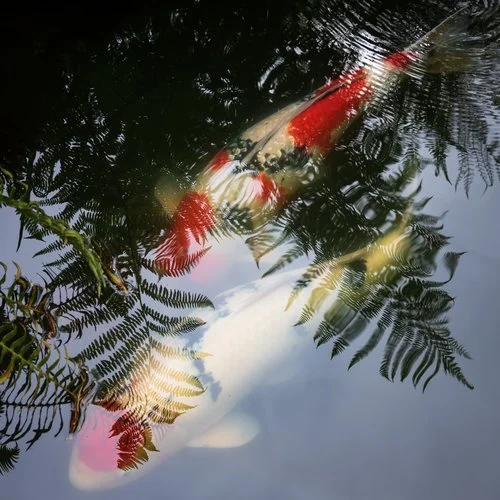
One Saturday back when I was living in Liberia, I watched a B+H video talk by Adam Marelli where he was talking about photographing people. One of the tips he gave was to find a stage, and then wait for the performance instead of trying to chase images by constantly roaming around a city. I’ve found that a particularly helpful tip, even with landscape photography. Once you find an interesting location, if you realize you’re not there at the right time then figure out when the light will be best and come back then. And even then, wait to see if nature has something extra to offer. It’s amazing what a flight of birds can do to a landscape. So during our recent outing to the Portland Japanese Gardens, that bit of advice immediately came to mind as my eye caught a couple of fish moving around beneath some ferns.
Why does it work?
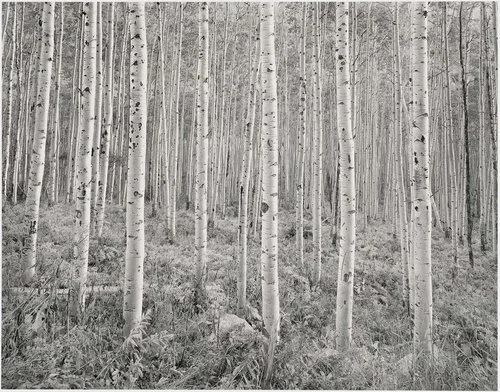
Glowing Aspens, Castle Creek Valley, Colorado
From the book "Listen to the Trees" by John Sexton
©1991 John Sexton. All rights reserved.
Earlier this month a strange thing happened to me. Twice. The first two times I opened John Sexton’s Listen to the Trees I got stuck on an image and couldn’t move onward. The image is beautiful and compelling in a very subtle way. Try as I might, I couldn’t figure out why it was such a strong image. After a good 20 minutes, during the second time around studying the image, I started seeing things that revealed why the image is visually compelling and what makes it work. And, to steal a line from the Intelligence Squared podcast, that has the makings of a great blog post.
Cropping and Format Ratio Ramblings
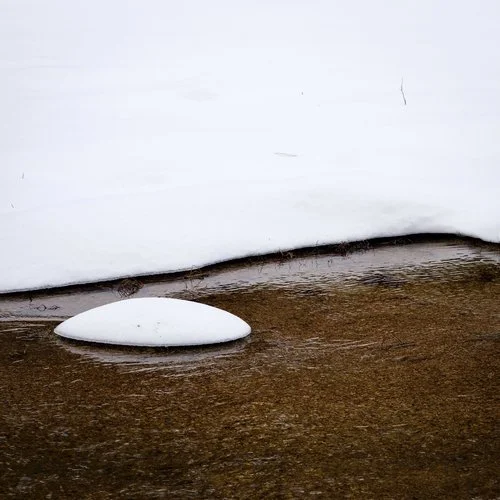
A few days ago I was looking at some of my photographs from earlier this year, thinking about a small project I might do, when one particular image caused me to pause and to re-think the making of it. I guess that’s one of the benefits of revisiting images. Sometimes you see things anew and find qualities in images that you’d previously missed; other times you see how you can improve on the image and you learn from it. And sometimes you just see things differently and it leads you to think not just about the image, but about larger issues related to image making. This was one of those.
June's Photographer of the Month
It’s June, which means a new month and time to say goodbye to Edward Weston. His images have been educational and inspiring, and I’ve added greatly to my Evernote list of Edward Weston quotes (my favorite of which is, “Anything more than 500 yards from the car just isn’t photogenic.”). My choice of this month’s photographer has been much more deliberate than in previous months. While his name has been on my not-to-miss-as-part-of-this-project list this entire time, I’ve skipped it until now. I was thinking about areas where I’ve felt I haven’t progressed photographically and where I’d like to have touched on before our grand Fall Adventure (more on that in another post), and once I figured that out, I knew who I had to study. Have any ideas who it might be?
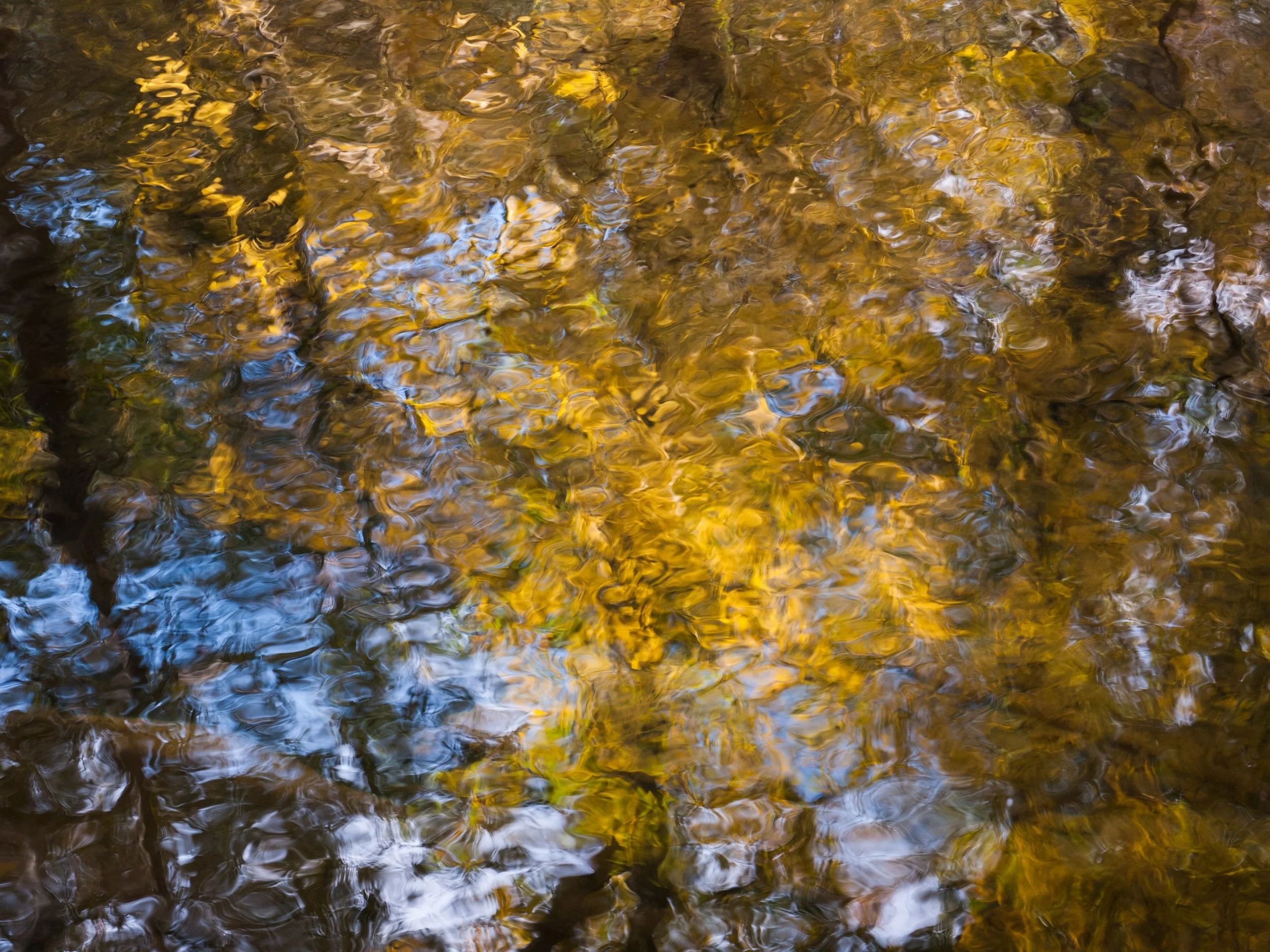
Printing the Image - 2018.05.27 - Old Abstracts
It was another printing weekend and, for once, Ann and I were able to take our time and make a variety of prints at a variety of sizes. Ann focused on developing some images from more recent work, printing two images from our recent trip to the Japanese Gardens and one image taken earlier this year at the Painted Hills. They were all lovely. Me, well I did the opposite and went about as far back as I could go (at least digitally) and worked on some images I made in 2009. The reasons why will be pretty obvious.
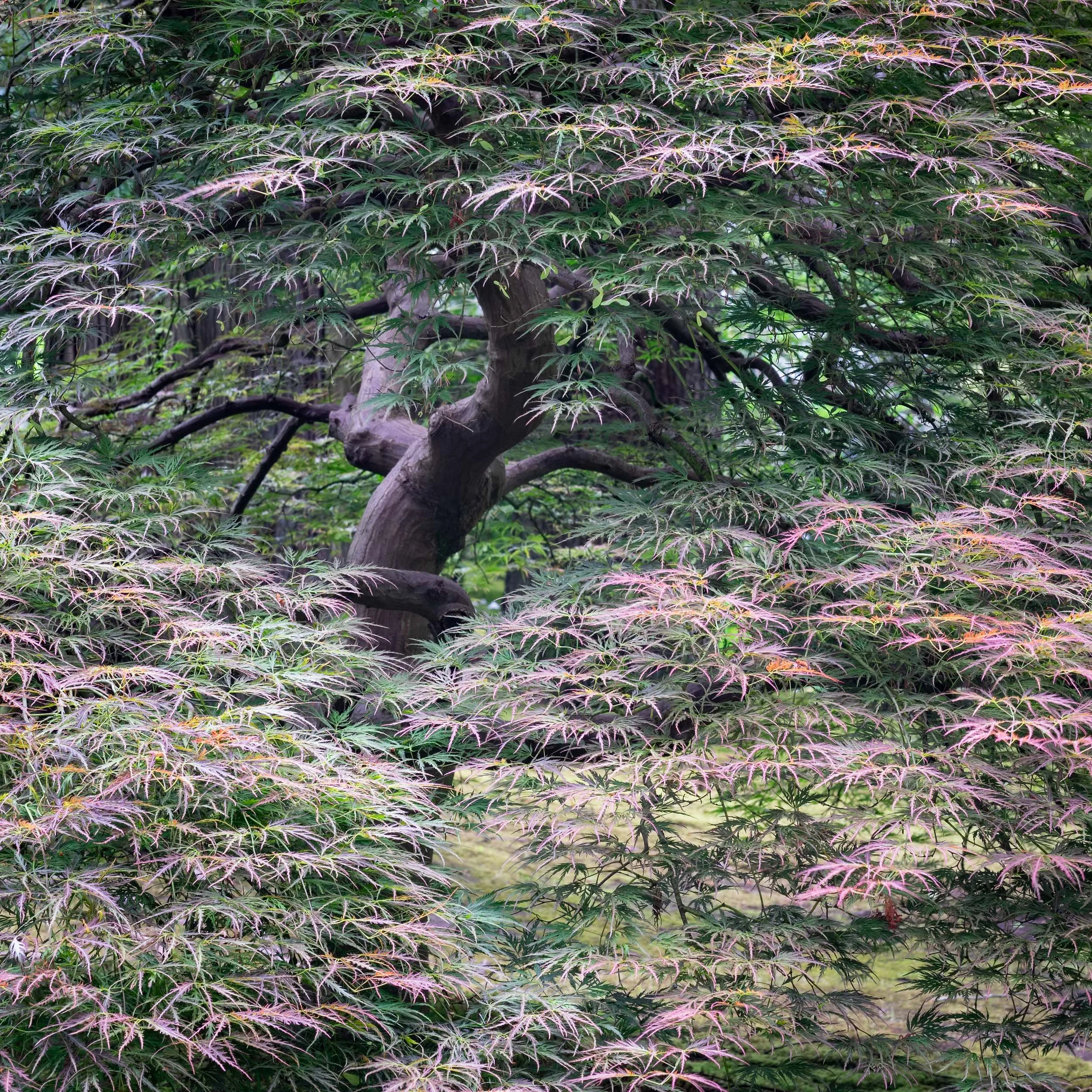
Portland Japanese Gardens - May Edition
I recently played catch-up (yet again) on Bruce Percy’s recent blog posts. One of the points he emphasized was the importance of returning to the same places again and again and again to photograph. Not only do you gain a sense of intimacy and understanding of the place over time, it also forces you to work harder to create distinctive images and helps build the type of slow growth that is essential to improving one’s photography. Well, if returning to the same key places time and time again is good, Ann and I had more of a good thing as an early start to the Memorial Day weekend.
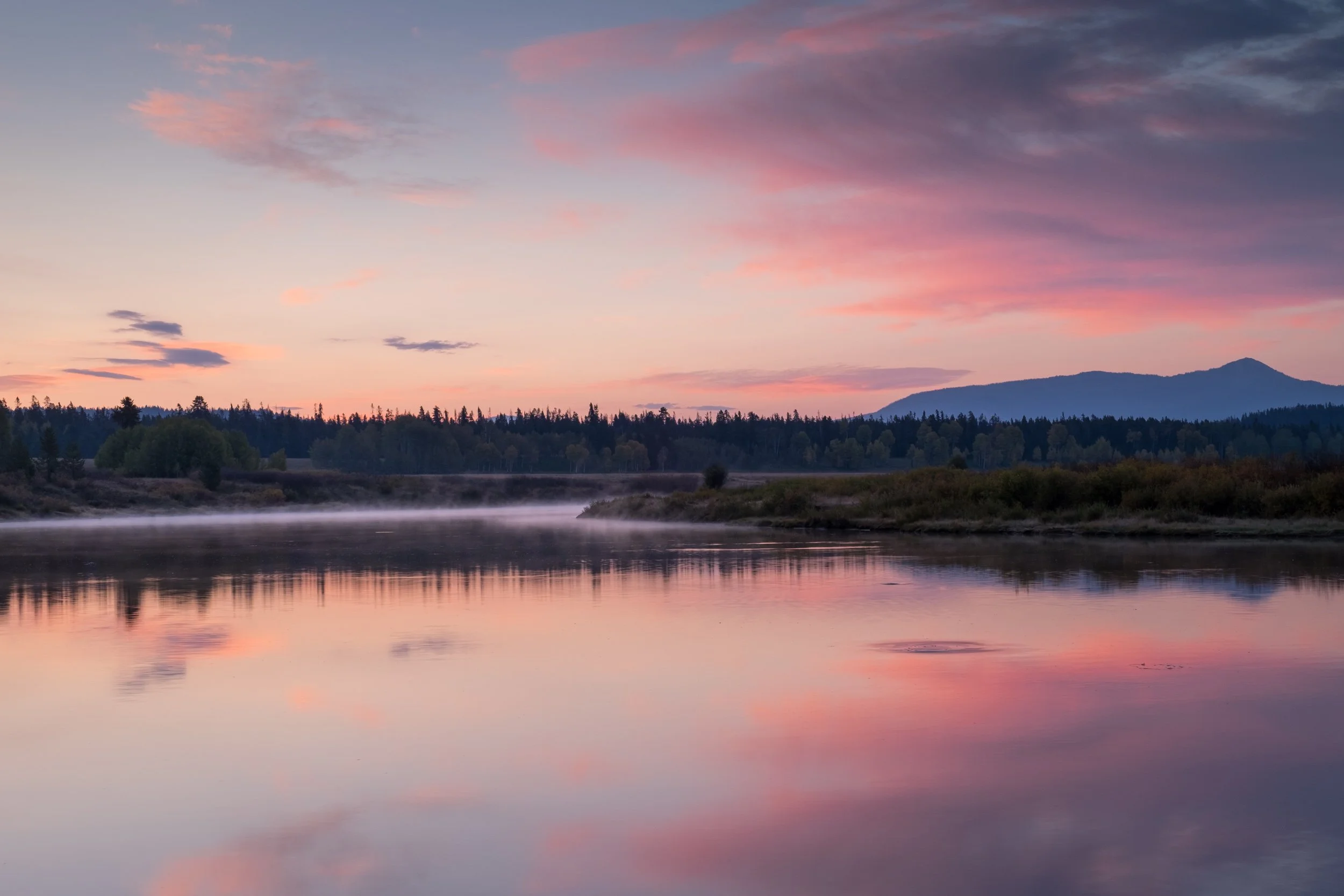
Follow the Light
One of the things I like about the blogging process is that sometimes while working on one post, another blog idea arises. Occasionally, an idea comes to mind that invokes previous images I’ve made and I get to revisit old friends. That’s what the paragraph about “following the light” did from the Light and Water blog post. So let’s take a stroll down memory lane!
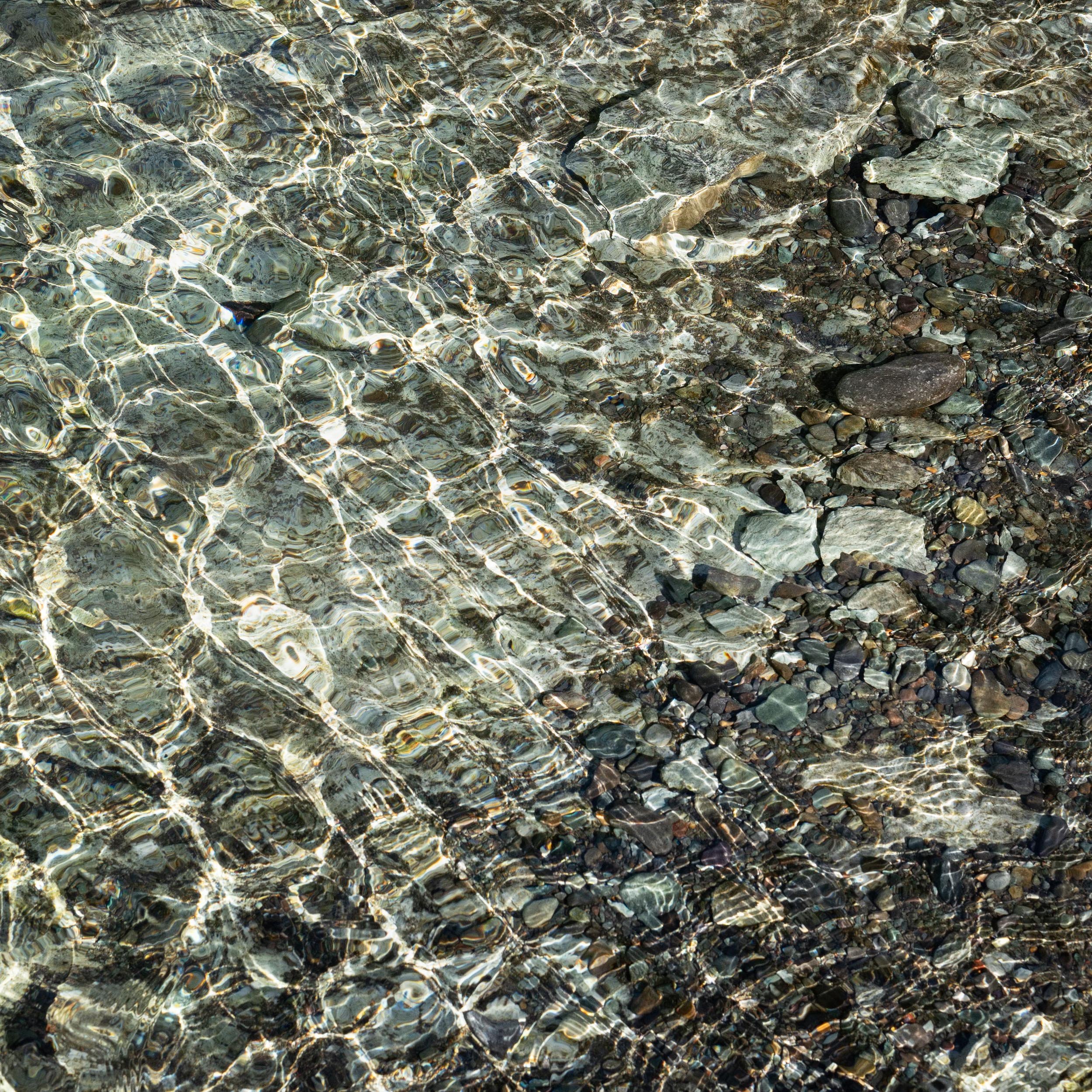
Light and Water
“I am the adventurer on a voyage of discovery, ready to receive fresh impressions, eager for fresh horizons, not in the spirit of a militant conqueror to impose myself or my ideas, but identify myself in, and unify with, whatever I am able to recognize as significantly part of me: the “me” of universal rhythms.”
“Anything that excites me, for any reason, I will photograph[.]” - Edward Weston
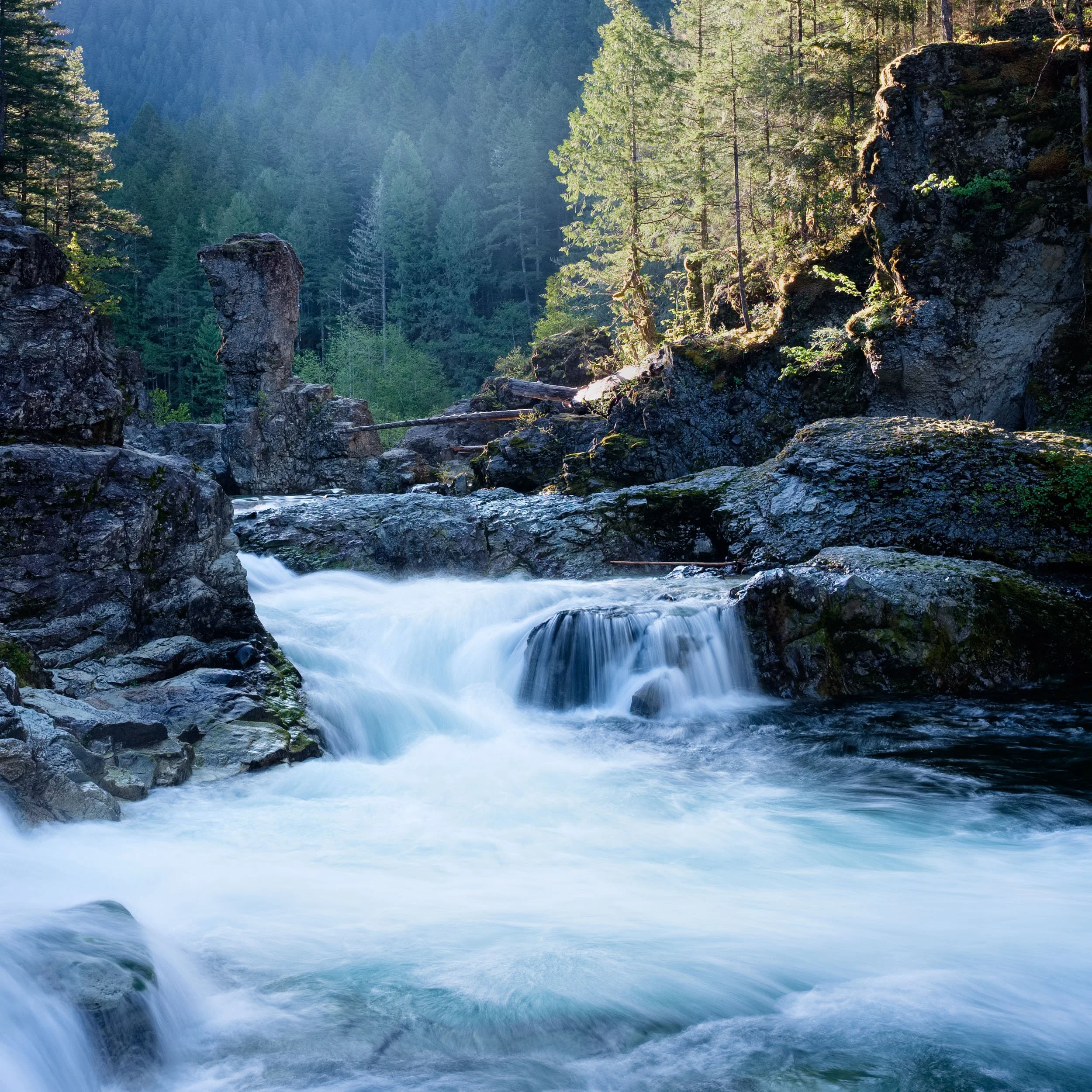
May 2018 Adventure - The Santiam River
Ann wanted to get out for Mother’s Day, so who was I to deny her a trip? But as seems to be the case this year, our initial best-laid plans fell flat. I was hoping to give her an adventure photographing sand dunes, which she has been asking about for a while now. Fortunately (well, unfortunately), I checked the State Parks website to find out that the sand dunes have been closed for the snowy plover nesting season. Given they’re an endangered species, I forgave them for ruining my plans; but I still had to figure out a place to go. We settled on the Santiam River near Opal Creek.
Enter text to search only content in the blog posts. Try entering “Yellowstone”.
You can also click here to go to a page listing all previous blog posts…